
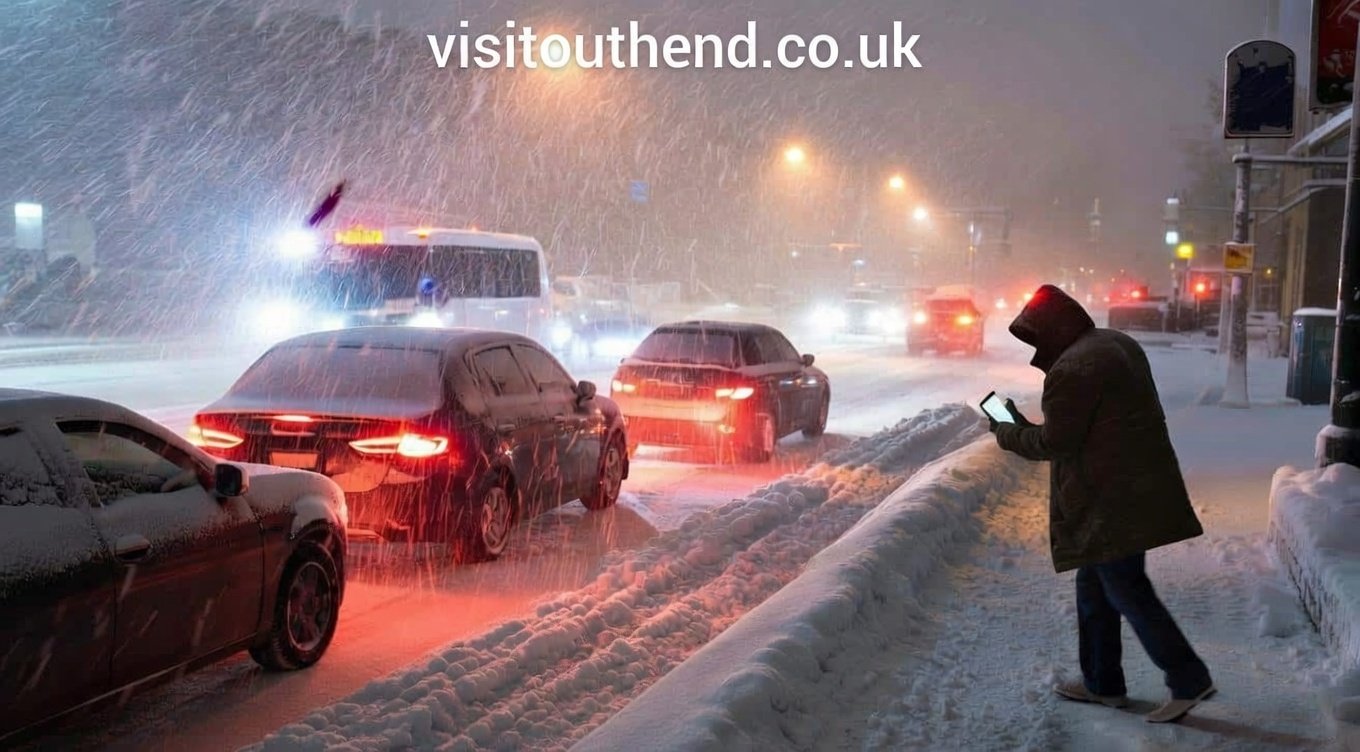

Heavy snow warnings are critical alerts issued by meteorological agencies to inform the public about severe winter weather conditions. These warnings are designed to help people prepare for potentially dangerous situations caused by heavy snowfall, icy roads, and reduced visibility. Understanding the implications of a heavy snow warning can save lives, prevent accidents, and minimize disruptions to daily activities. In this article, we will explore what heavy snow warnings are, their causes, safety measures, and the potential impact on communities.
Understanding Heavy Snow Warnings
A heavy snow warning is a notification issued when significant snowfall is expected within a specific area over a short period. The criteria for a warning may vary depending on the region, but generally, it indicates that snow accumulation will be substantial enough to cause hazardous conditions. Unlike a winter weather advisory, which is less severe, a heavy snow warning signals a higher level of danger and urgency. It alerts residents, travelers, and local authorities to take immediate precautions.
The National Weather Service (NWS) and other meteorological organizations monitor atmospheric conditions, snowfall rates, and temperatures to determine when a heavy snow warning is necessary. These warnings are often accompanied by information about expected snow totals, wind conditions, and potential travel disruptions.
Causes of Heavy Snowfall
Heavy snow occurs when specific atmospheric conditions align to produce intense snowfall over a short period. Typically, this involves cold air near the surface, moisture in the atmosphere, and lifting mechanisms such as frontal boundaries or low-pressure systems.
In winter storms, warm moist air can rise and cool rapidly, leading to the condensation of water vapor and the formation of snowflakes. When large quantities of moisture combine with cold temperatures, heavy snow accumulates on the ground. Mountainous regions or areas downwind of large lakes, like the Great Lakes in the United States, often experience lake-effect snow, which can result in intense, localized snowfall.
Impacts of Heavy Snow Warnings
Heavy snow warnings can have far-reaching consequences for communities. Roads and highways can become impassable, creating dangerous driving conditions. Power outages are common when heavy snow accumulates on power lines or causes tree branches to fall. Public transportation may be delayed or suspended, affecting commuters and essential services.
Additionally, businesses, schools, and government offices may close to protect staff and residents from potential hazards. The economic impact of heavy snow events can be significant, especially in regions unaccustomed to severe winter weather. Emergency services may face increased demand, further straining local resources.
Preparing for a Heavy Snow Warning
Preparation is key when a heavy snow warning is issued. Residents should ensure they have sufficient food, water, and essential supplies in case they are unable to leave their homes. It is important to stock up on medications, blankets, and heating fuel.
Travel should be minimized during heavy snow events. Those who must travel should keep an emergency kit in their vehicle, including items such as a shovel, ice scraper, flashlight, and extra clothing. Maintaining a full tank of fuel is also recommended in case of unexpected delays.
Homeowners should take precautions to prevent damage from heavy snow. Clearing snow from roofs, driveways, and walkways reduces the risk of collapse or injury. It is also important to check that heating systems are functioning properly and to protect pipes from freezing.
Safety Measures During Heavy Snowfall
Staying safe during a heavy snow event requires vigilance and careful planning. Avoiding unnecessary travel is the most effective way to reduce risk. For those who must go outside, dressing in layers, wearing waterproof clothing, and protecting extremities from frostbite is essential.
Driving during heavy snow is extremely hazardous. If travel is unavoidable, it is important to drive slowly, maintain a safe distance from other vehicles, and use headlights to improve visibility. Snow tires or chains can provide additional traction on icy roads.
Keeping informed about changing weather conditions is crucial. Local news, weather apps, and official government alerts provide updates on snowfall amounts, road closures, and emergency instructions. Following these updates can prevent accidents and ensure timely assistance if needed.
Emergency Services and Heavy Snow
Emergency services play a critical role during heavy snow events. Police, fire departments, and medical responders often operate under challenging conditions to provide assistance. Heavy snow can slow response times, so proactive preparation and communication are essential.
Communities may also activate shelters for residents without access to adequate heating or safe living conditions. Utility companies prioritize restoring power and clearing roads, often working around the clock to mitigate the effects of severe snowstorms. Coordination between government agencies, emergency services, and the public is vital for effective management.
Heavy Snow and Travel Disruptions
Travel disruptions are one of the most visible consequences of heavy snow. Airports may cancel or delay flights, trains may be rerouted or halted, and buses may suspend service. Commuters should expect longer travel times and plan accordingly.
Road conditions can deteriorate rapidly, with snow, ice, and reduced visibility contributing to accidents. Drivers should avoid steep inclines or unplowed routes and consider alternative transportation options when possible. Winter driving courses and awareness campaigns can help reduce risks during heavy snow events.
Health Risks During Heavy Snow Events
Heavy snow can pose several health risks beyond the immediate danger of accidents. Hypothermia, frostbite, and carbon monoxide poisoning are potential hazards. People should avoid prolonged exposure to cold temperatures and ensure proper ventilation when using alternative heating sources.
Shoveling snow can also be physically demanding, especially for older adults or those with preexisting health conditions. Taking frequent breaks, staying hydrated, and using proper techniques can reduce the risk of injury.
Climate Change and Heavy Snow
Climate change is altering weather patterns, including the frequency and intensity of heavy snow events. While warmer global temperatures might suggest less snow, certain regions are experiencing more extreme winter storms due to shifts in atmospheric circulation and increased moisture in the air.
Understanding the relationship between climate change and snowfall is important for long-term planning and infrastructure development. Communities must adapt to more unpredictable and severe winter weather by improving emergency preparedness and resilience.
Technology and Heavy Snow Warnings
Advances in meteorology and technology have improved the accuracy of heavy snow warnings. Satellite imagery, radar systems, and computer models allow meteorologists to predict snowfall amounts and track storms in real-time.
Weather apps, social media, and alert systems provide immediate notification to the public. Automated systems can send warnings via text messages, emails, or smartphone apps, enabling residents to take timely action.
Conclusion
Heavy snow warnings are essential tools for protecting lives, property, and infrastructure during severe winter weather. Understanding the causes, impacts, and safety measures associated with heavy snowfall can help individuals and communities respond effectively. Preparation, vigilance, and adherence to official guidance are crucial in minimizing risks. By staying informed and taking proactive steps, the dangers associated with heavy snow can be significantly reduced, ensuring safety and resilience during winter storms.
FAQs About Heavy Snow Warnings
1. What does a heavy snow warning mean?
A heavy snow warning indicates that significant snowfall is expected in a specific area, posing hazardous conditions for travel and daily activities.
2. How much snow qualifies as a heavy snow warning?
The threshold varies by region, but it typically involves snow accumulation of 6 inches or more within 12 hours or 8 inches or more in 24 hours.
3. Should I travel during a heavy snow warning?
Travel should be minimized during heavy snow events. If travel is necessary, take precautions such as carrying an emergency kit and driving slowly.
4. How can I protect my home during heavy snowfall?
Clear snow from roofs, driveways, and walkways, check heating systems, and prevent pipes from freezing. Stock up on essentials in case of power outages.
5. Where can I get updates during a heavy snow event?
Official weather websites, local news outlets, weather apps, and government alert systems provide real-time updates on snowfall, road conditions, and emergency instructions.